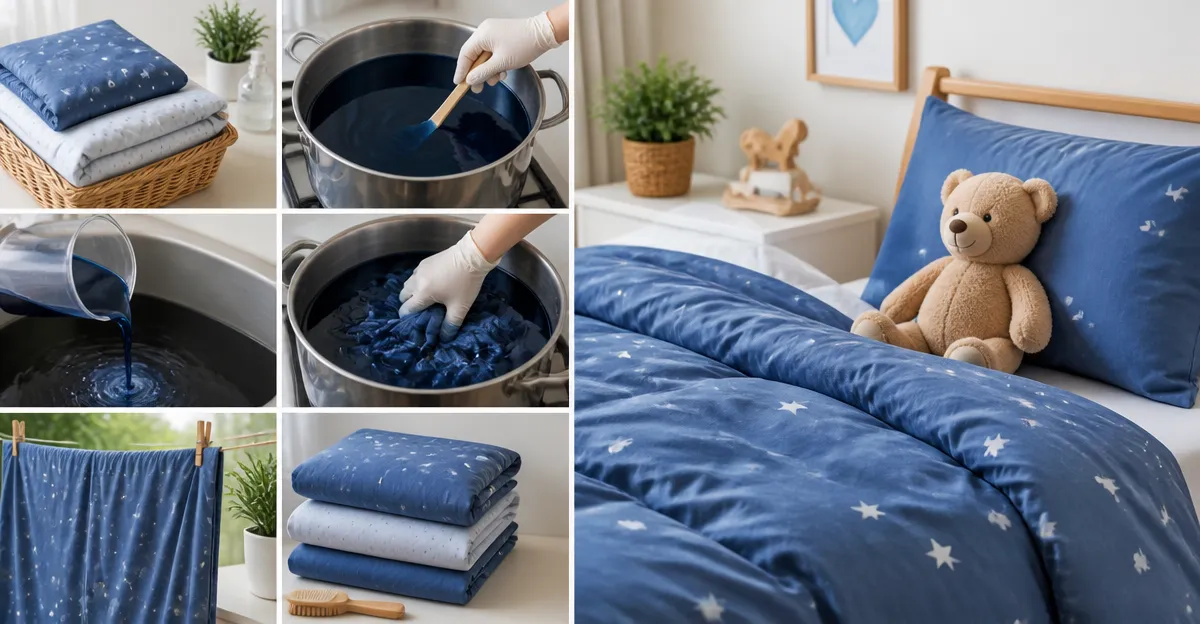
How to Safely Dye Bedding at Home for Kids with Eczema: A Step‑by‑Step, Non‑Toxic Guide
Introduction
This guide explains how one can transform plain bedding into vibrant, soothing colors while protecting sensitive skin. It outlines the importance of selecting non‑toxic dyes, explains how to avoid common allergens, and demonstrates a method that reduces waste by re‑using existing textiles. By following the steps, one will gain confidence to create custom bedding that is both aesthetically pleasing and safe for children with eczema.
The value of this guide lies in its focus on health‑conscious materials, detailed safety precautions, and environmentally responsible practices. Readers will learn how to prepare the workspace, mix the dye correctly, and set the finished product for long‑lasting color without harsh chemicals.
Although the guide recommends a specific product, it remains useful for anyone who chooses an alternative non‑toxic dye. The principles described can be applied to a range of fabrics, ensuring flexibility and adaptability.
Overall, the article equips caregivers with the knowledge to create personalized bedding that supports skin health and reduces environmental impact.
What You’ll Need
- 100% cotton or bamboo bedding (pre‑washed)
- Non‑toxic fabric dye – Rit Back to Blue Denim Dye Kit
- Large stainless‑steel or enamel pot (minimum 5 L capacity)
- Rubber gloves (included in the dye kit)
- Stirring spoon or paddle (plastic or stainless‑steel)
- Measuring cup and kitchen scale
- ColorStay Dye Fixative (included in the kit)
- Protective apron and well‑ventilated workspace
- Mild, fragrance‑free detergent for post‑dye washing
Step‑by‑Step Instructions
Step 1: Prepare the Workspace and Safety Gear
Begin by selecting a well‑ventilated area such as a garage or kitchen near an open window. Lay down a waterproof tarp to protect surfaces from accidental spills. Wear the rubber gloves supplied in the Rit Back to Blue Denim Dye Kit and a protective apron to avoid skin contact with dye solution. This precaution is essential for children with eczema, as even brief exposure to irritants can trigger flare‑ups.
Ensure that the pot and stirring utensil are clean and free from residues that could affect dye absorption. Rinse the bedding thoroughly in cold water to remove any finishing chemicals that might interfere with the dye.
By establishing a clean, safe environment, one reduces the risk of cross‑contamination and maintains the integrity of the dyeing process.
These preparatory actions also demonstrate respect for the child’s health and the surrounding environment.
Step 2: Measure and Dissolve the Dye
Using the kitchen scale, measure the amount of Bold Blue All‑Purpose Dye indicated on the kit’s instructions for the weight of the bedding (typically 30 g of dye per 500 g of fabric). Transfer the measured dye into the pot containing one liter of hot water (approximately 60 °C). Stir continuously until the dye is fully dissolved, creating a uniform solution.
The Rit Back to Blue Denim Dye Kit provides a non‑toxic, septic‑safe formula, making it suitable for households concerned about chemical exposure. Its versatility allows the user to achieve a range of blue shades, from pastel to deep navy, by adjusting the dye concentration.
Maintain the water temperature throughout the dissolution phase; excessive heat can degrade the dye molecules, while insufficient heat may result in uneven color.
After the dye is fully dissolved, set the pot aside for a brief five‑minute rest to allow any undissolved particles to settle.
Step 3: Submerge the Bedding and Maintain Temperature
Place the pre‑washed bedding into the pot, ensuring that the fabric is fully immersed and not tangled. Increase the heat gradually until the water reaches a gentle simmer (around 70 °C). Stir the bedding gently every two minutes to promote even dye penetration.
The dye’s non‑toxic composition minimizes the likelihood of skin irritation, a critical factor for children with eczema. The kit’s ColorStay Dye Fixative, added in the next step, will further reduce the chance of dye bleeding during future washes.
Maintain the simmer for 30–45 minutes, depending on the desired depth of color. Longer simmering yields a richer hue, while shorter times produce a lighter shade.
Monitor the water level periodically; add hot water if evaporation threatens to expose portions of the fabric.
Step 4: Apply ColorStay Dye Fixative
After the dyeing period, remove the pot from heat and allow the bedding to cool for five minutes. Then, add the ColorStay Dye Fixative supplied in the Rit Back to Blue Denim Dye Kit according to the manufacturer’s dosage instructions (typically 1 mL per 500 g of fabric).
The fixative works by binding dye molecules to the fabric fibers, thereby reducing bleeding and fading during subsequent washes. This property is especially valuable for eczema‑prone children, as it limits the release of dye particles that could irritate the skin.
Stir the bedding gently for an additional five minutes to ensure the fixative is evenly distributed.
Allow the bedding to sit in the solution for an extra ten minutes to maximize fixation.
Step 5: Rinse and Wash the Bedding
Remove the bedding from the pot and rinse it under cold, running water until the water runs clear. This step eliminates any residual dye that could cause staining or skin irritation.
Next, wash the bedding in a front‑loading washing machine using a mild, fragrance‑free detergent designed for sensitive skin. Use a cold‑water cycle to preserve the color and prevent shrinkage.
After washing, tumble dry on a low‑heat setting or air‑dry in a clean, shaded area. Avoid direct sunlight, which can cause premature fading.
Once dry, inspect the fabric for any uneven spots. If necessary, repeat the rinsing process to remove lingering dye particles.
Step 6: Final Inspection and Bed Preparation
Conduct a final visual inspection to confirm uniform color coverage. Perform a skin‑safety test by pressing a small dyed fabric swatch against the inner forearm for ten minutes; observe for any redness or itching.
If the test is negative, proceed to make the bed. Use hypoallergenic pillowcases and mattress protectors to maintain a barrier against allergens.
Regularly launder the dyed bedding every two weeks using the same gentle detergent to preserve both color vibrancy and skin safety.
By following these steps, one creates a personalized, non‑toxic sleeping environment that supports the comfort and health of children with eczema.
Tips & Pro Tips
- Test the dye on a scrap piece of fabric before committing to the full bedding set.
- Wear a mask if you are sensitive to dust; although the dye is non‑toxic, fine particles can be irritating.
- Use distilled water to avoid mineral deposits that may affect dye uptake.
- For lighter shades, dilute the dye solution with additional water; for darker shades, increase dye concentration.
- Store any leftover dye in a sealed container away from direct sunlight to preserve potency.
Conclusion
This guide has demonstrated a comprehensive, non‑toxic method for dyeing children’s bedding safely. By selecting appropriate materials, following precise temperature controls, and employing the Rit Back to Blue Denim Dye Kit for its safe dye and fixative, one can achieve vibrant results without compromising skin health.
Readers are encouraged to experiment with different shades while maintaining the safety precautions outlined. The process not only reduces waste by revitalizing existing textiles but also empowers caregivers to create a soothing sleep environment for eczema‑prone children.
With practice, the technique becomes a reliable addition to any household’s sustainable living toolkit.
Products Mentioned in This Guide
Rit Back to Blue Denim Dye Kit
Features: Restores faded denim, revives any faded blue clothing, includes Bold Blue All‑Purpose Dye, ColorStay Dye Fixative, and gloves; non‑toxic and safe for septic systems; reduces carbon footprint by up to 80%.
Price: Not listed
Rating: Not listed
Frequently Asked Questions
Can I safely dye my child's bedding at home if they have eczema?
Yes, by using certified non‑toxic, hypoallergenic dyes and following safety steps, you can safely dye bedding for eczema‑prone kids.
Which types of dyes are considered non‑toxic and suitable for eczema‑sensitive skin?
Plant‑based fiber dyes, low‑impact reactive dyes, and certified organic fabric dyes without heavy metals or fragrance are safe choices.
What precautions should I take to prevent allergic reactions when dyeing bedding?
Wear gloves, work in a well‑ventilated area, test a small swatch for irritation, and avoid dyes containing formaldehyde, PPD, or synthetic fragrances.
How should I prepare the bedding before dyeing to ensure the color sets and skin stays safe?
Wash the sheets in fragrance‑free detergent, remove any finishes, and pre‑soak in a mild salt or vinegar bath to open the fibers before adding dye.
What is the best method to fix the dye and keep the bedding safe for future washes?
After dyeing, rinse until water runs clear, then heat‑set the color with a low‑temperature iron or gentle tumble‑dry, and wash separately with hypoallergenic detergent.