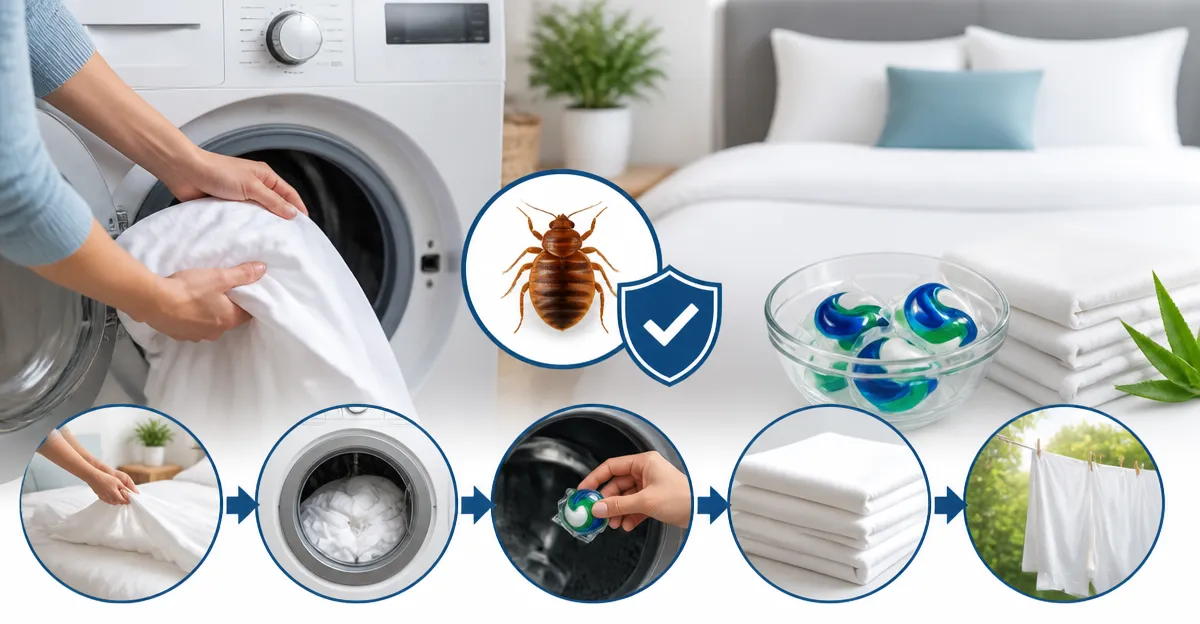
How to Sanitize Bedding After Bed Bug Exposure: An Eczema‑Safe Step‑by‑Step Guide
Introduction
Bed‑bug bites can trigger intense itching, and for individuals with eczema, the resulting inflammation may be severe. This guide teaches readers how to eradicate bed‑bugs from bedding while protecting sensitive skin. By following the outlined steps, one will learn how to disinfect, launder, and protect bedding without exposing eczema‑prone skin to harsh chemicals.
The process combines thorough physical cleaning with hypoallergenic laundry solutions that remove stains, allergens, and residual insects. The result is a clean, safe sleep environment that reduces flare‑ups and prevents future infestations.
What You’ll Need
- Vacuum cleaner with HEPA filter
- Steam cleaner (optional but highly effective)
- Protective gloves
- Hypoallergenic laundry detergent pods: Tide PODS Ultra Oxi Free and All Mighty Pacs Free Clear
- Odor‑relief variant for lingering smells: All Mighty Pacs Odor Relief
- Mattress encasement (zippered, allergen‑proof)
- Plastic bags for sealed transport of infested items
Step‑by‑Step Instructions
1. Isolate and Contain the Infested Bedding
Before any washing begins, remove the bedding from the bedroom and place it in heavy‑duty plastic bags. Seal the bags tightly to prevent live bugs from escaping. Transport the bags to a laundry area that is separate from the sleeping space. This containment step reduces the risk of re‑infestation during handling.
Why containment matters for eczema sufferers: fewer live insects mean fewer bites, which translates to less skin irritation during the cleaning process.
2. Vacuum the Mattress and Bed Frame
Using a vacuum equipped with a HEPA filter, thoroughly vacuum the mattress surface, box spring, and bed frame. Pay special attention to seams, folds, and headboard crevices where bed‑bugs hide. Empty the vacuum canister into a sealed bag and discard it outdoors.
This mechanical removal eliminates many insects before laundering, decreasing the load of allergens that could aggravate eczema.
3. Apply Heat with a Steam Cleaner (Optional)
If a steam cleaner is available, run it over the mattress and any non‑washable items at a temperature of at least 130°F (54°C) for 30 seconds per area. Heat kills bed‑bugs at all life stages without the need for chemicals.
For eczema‑prone individuals, steam is a gentle, non‑chemical method that avoids potential skin irritants.
4. Pre‑Treat Stains and Spots
Inspect the sheets, pillowcases, and blankets for visible stains from blood or insect excrement. Apply a small amount of Tide PODS Ultra Oxi Free directly to the stain. The pods are hypoallergenic, free of dyes and perfumes, and recommended by the National Eczema Association, making them safe for sensitive skin.
Features: removes up to 99% of everyday stains, dermatologist‑recommended, price $19.94, rating 4.8/5 from 1,079 reviews.
5. Load the Washing Machine
Separate bedding by load size: small to medium loads require one pod, large loads two pods, and extra‑large loads three pods. For heavily soiled items, use two pods of All Mighty Pacs Free Clear. These pods are fragrance‑free, dye‑free, and the #1 dermatologist‑recommended brand, ensuring that eczema‑prone skin is not exposed to irritants.
Features: unscented, safe for all washing machines including HE, price $14.98, rating 4.8/5 from 27,143 reviews.
6. Select the Appropriate Wash Cycle
Choose a hot water cycle (at least 130°F) for cotton sheets and a warm cycle for delicate fabrics. Hot water enhances the stain‑removing power of the pods and kills residual bugs. If the fabric label permits, add an extra rinse to ensure no detergent residue remains, as residue can irritate eczema.
7. Dry Thoroughly
After washing, tumble dry on the highest heat setting safe for the fabric. Heat continues the disinfection process. For items that cannot be tumble‑dried, air‑dry in direct sunlight for several hours; ultraviolet rays help eliminate remaining insects.
8. Treat Persistent Odors
If a lingering odor persists, rewash the affected items using All Mighty Pacs Odor Relief. This variant adds odor‑neutralizing technology while maintaining the same hypoallergenic profile.
Features: 100% free of perfumes and dyes, attacks odors, price not listed (currently unavailable), rating 4.8/5 from 8,620 reviews.
9. Re‑Encasement and Final Inspection
Once the bedding is completely dry, place it inside a zippered, allergen‑proof mattress encasement. This barrier prevents any surviving bugs from re‑entering the sleeping surface. Conduct a final visual inspection for any signs of insects before making the bed.
Tips & Pro Tips
- Always wear gloves when handling infested items to avoid direct contact with bugs or their excrement.
- Replace pillow protectors and mattress encasements every six months to maintain a barrier.
- Combine vacuuming with steam cleaning for maximum eradication without chemicals.
- Do not overload the washing machine; proper agitation improves cleaning efficiency.
- For severe infestations, consider professional pest‑control services in conjunction with these steps.
Troubleshooting
| Problem | Solution |
|---|---|
| Stains persist after first wash | Pre‑treat again with an extra pod of Tide PODS Ultra Oxi Free and use a longer wash cycle. |
| Odor remains after drying | Rewash using All Mighty Pacs Odor Relief and add an extra rinse. |
| Skin irritation after laundering | Rinse an additional time to remove any detergent residue; consider using a hypoallergenic fabric softener. |
Conclusion
By following this comprehensive, eczema‑safe protocol, one can effectively sanitize bedding after bed‑bug exposure while minimizing skin irritation. The combination of mechanical removal, high‑temperature washing, and hypoallergenic detergent pods ensures both pest eradication and skin comfort. Maintaining regular cleaning habits and using protective encasements will further reduce the likelihood of future infestations.
Products Mentioned in This Guide
Frequently Asked Questions
What steps should I follow to sanitize bedding after a bed‑bug infestation while protecting eczema‑prone skin?
Vacuum with a HEPA filter, steam‑clean if possible, then wash all bedding in hot water using a hypoallergenic detergent, and dry on high heat.
Can I use a regular vacuum or do I need a HEPA filter to remove bed bugs and allergens?
A HEPA‑filtered vacuum is recommended because it captures tiny allergens and bug fragments that a standard vacuum may recirculate.
How effective is steam cleaning for killing bed bugs on bedding, and is it safe for sensitive skin?
Steam at 120°F (49°C) or higher kills bed bugs instantly and leaves no chemical residue, making it safe for eczema‑sensitive skin.
Which laundry detergents are recommended for eczema‑safe washing of infested bedding?
Use fragrance‑free, dye‑free options such as Tide PODS Ultra Oxi Free or All Mighty Pacs Free Clear for gentle yet thorough cleaning.
How can I prevent future bed‑bug infestations and eczema flare‑ups after cleaning my bedding?
Encase mattresses in zippered covers, regularly wash bedding in hot water, keep clutter minimal, and maintain low humidity to deter bugs and reduce skin irritants.