Introduction
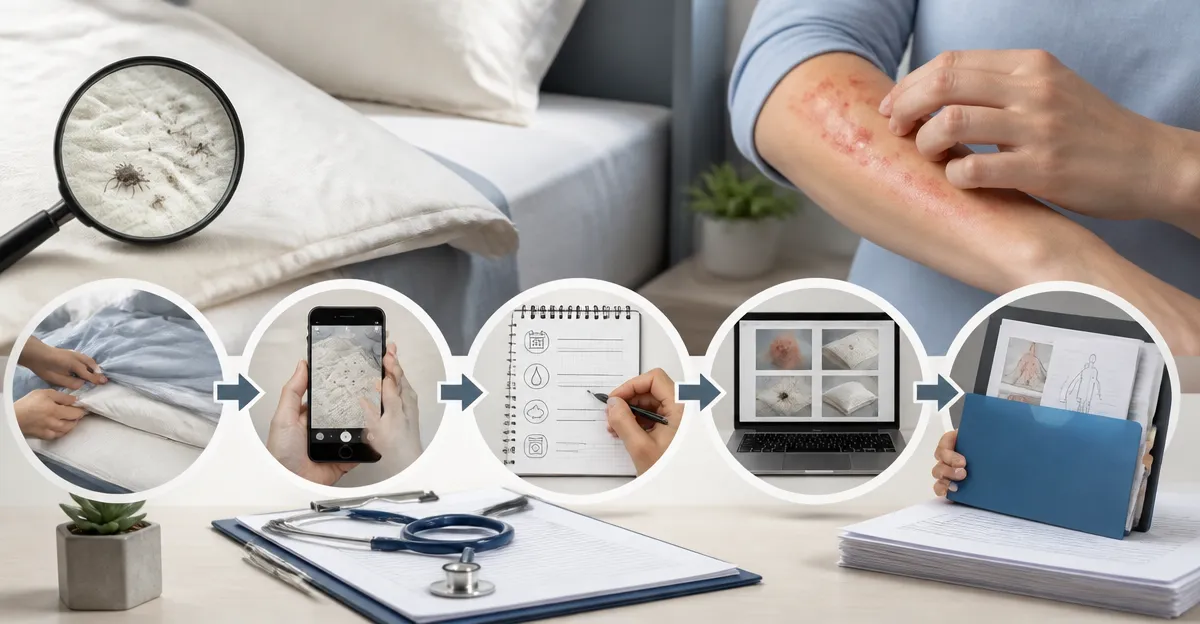
One will discover how to capture precise evidence of bedding‑related eczema triggers, transform observations into a professional log, and present the documentation to health care providers and insurance adjusters. The guide explains why systematic recording reduces misdiagnosis, accelerates treatment, and supports reimbursement for necessary bedding upgrades. Readers will learn to combine written notes, high‑resolution photographs, and product specifications into a compelling dossier. The methodology is applicable to any individual who experiences dermatitis that worsens after sleep, regardless of age or skin type.
What You Will Need
- A durable mattress protector such as the AllerEase Zippered Mattress Protector
- An adjustable pillow designed for allergen reduction, for example the AllerEase Platinum Adjustable Pillow
- A breathable, hypoallergenic sheet set like the Bedsure PureWoven Bamboo Sheet Set
- A notebook or digital spreadsheet for daily symptom tracking
- A smartphone or digital camera with macro capability
- Measuring tape, labeling stickers, and a small flashlight for close‑up inspection
Step 1: Prepare the Sleep Environment
Before initiating any documentation, one should ensure that the sleeping surface is protected from external allergens. Installing the AllerEase Zippered Mattress Protector creates a barrier that blocks dust mites, pollen, and pet dander from entering the mattress fibers. This product features a waterproof polyester layer, temperature‑balancing technology, and a FlexFit design that guarantees a snug fit for queen‑size beds. Priced at $33.74 and rated 4.5 out of 5 stars by 3,374 reviewers, it offers both protection and comfort, thereby reducing the likelihood of new triggers during the documentation period.
One should also replace the existing pillow with the AllerEase Platinum Adjustable Pillow. The pillow incorporates Allergy Defense fabric and CleanBoost technology, which continuously reduces surface allergens. Its hypoallergenic polyester fiberfill can be adjusted for personal firmness, allowing the user to maintain a consistent sleeping posture while minimizing pressure‑related skin irritation. At $70.53 with a 4.2‑star rating from 50 reviews, the pillow serves as a practical tool for isolating pillow‑related triggers.
Finally, one should dress the bed with the Bedsure PureWoven Bamboo Sheet Set. The sheets are crafted from organically grown bamboo viscose, possess moisture‑wicking properties, and have a cool‑to‑touch feel that mitigates night sweats—a common aggravator of eczema. Certified by OCS and OEKO‑TEX, the set costs $89.99 and enjoys a 4.6‑star rating from 353 reviewers. By establishing a controlled environment, one creates a baseline against which any flare‑ups can be accurately measured.
Step 2: Create a Structured Log Template
One should design a log that captures the date, time of sleep, bedding configuration, skin observations, and any topical treatments applied. A table with the following columns is recommended: Date, Bedtime, Mattress Protector (Yes/No), Pillow Type, Sheet Set (Yes/No), Morning Rash Rating (1‑10), Itch Frequency, Medications Used, and Notes. Using a digital spreadsheet enables automatic calculations of average rash scores and visual trend graphs, which are valuable for clinicians and insurers.
In the Notes column, one can record environmental factors such as humidity, room temperature, and exposure to pets. Including these variables helps to isolate bedding as the primary trigger, rather than external conditions. The log should be updated immediately upon waking to ensure that recollection bias does not affect the data.
Step 3: Capture High‑Quality Photographs
Photographic evidence strengthens the medical record by providing visual proof of lesion severity and distribution. One should use a smartphone camera set to the highest resolution, enable grid lines for alignment, and employ a small flashlight to illuminate the affected areas without causing glare. Before taking each photograph, one must place a ruler or measuring tape beside the rash to convey scale.
Photographs should be taken in three contexts: (1) on the skin before bedtime, (2) immediately after waking, and (3) after a week of using the protective bedding products. Each image file should be named with the date and time stamp, for example, "2024‑07‑01_07‑00_morning_rash.jpg". Storing the images in a dedicated cloud folder ensures that they are accessible when compiling the final report.
Step 4: Document Product Usage Details
One must record specific product attributes that are relevant to allergen control. For the mattress protector, note the zippered closure, waterproof layer, and temperature‑balancing finish. For the pillow, record the firmness setting chosen and any adjustments made during the week. For the sheet set, document the deep‑pocket fit and the moisture‑wicking performance observed during sleep.
Including these details demonstrates to medical professionals that the user has employed evidence‑based solutions, and it assists insurers in evaluating the necessity of coverage for such items. When describing the products, reference their price and rating to illustrate cost‑effectiveness and consumer satisfaction.
Step 5: Correlate Symptoms with Bedding Changes
After a minimum of seven nights, one should compare rash scores, itch frequency, and medication usage before and after the introduction of the protective bedding. Statistical comparison, such as calculating the average reduction in rash rating, provides quantitative evidence of improvement. If the average score declines by at least two points, the data suggest a meaningful clinical benefit.
Should the improvement be modest, one can experiment with incremental changes, such as adjusting pillow firmness or washing the sheets with hypoallergenic detergent. Each adjustment must be logged, photographed, and correlated with symptom changes to maintain a rigorous evidence trail.
Step 6: Compile a Professional Report
One should assemble the log, photographs, and product specifications into a single PDF document. The report begins with a concise executive summary, followed by a methodology section that outlines the steps taken. Include a table that juxtaposes pre‑intervention and post‑intervention rash scores, and embed representative photographs with captions indicating date and condition.
Append a product appendix that lists the AllerEase Zippered Mattress Protector (price $33.74, 4.5‑star rating), the AllerEase Platinum Adjustable Pillow (price $70.53, 4.2‑star rating), and the Bedsure PureWoven Bamboo Sheet Set (price $89.99, 4.6‑star rating). This appendix provides insurers with clear evidence of the cost and quality of the interventions.
Step 7: Submit to Health Care Provider
When presenting the report to a dermatologist or primary care physician, one should request a brief consultation to review the findings. The clinician can then reference the quantitative data and photographs to confirm that the bedding is a significant trigger. A signed physician note that acknowledges the improvement attributable to the protective bedding can be attached to insurance claims.
Electronic submission through the provider’s patient portal ensures rapid delivery, while a printed copy can be brought to the appointment as a backup. Maintaining a copy of the submitted report for personal records is advisable.
Step 8: File an Insurance Claim
Insurance companies often require medical necessity documentation for coverage of medical‑grade bedding. One should attach the physician’s note, the detailed report, and receipts for the purchased products. Clearly label each receipt with the corresponding product name and price, and reference the product appendix in the claim form.
When possible, use the insurer’s online claim portal to upload PDF files, and retain the confirmation number for follow‑up. If the claim is denied, the detailed evidence prepared in earlier steps provides a strong basis for an appeal.
Tips & Pro Tips
- Use a dedicated notebook for the log to avoid mixing personal notes with clinical data.
- Wash the sheet set weekly in cold water with a mild, fragrance‑free detergent to maintain its moisture‑wicking properties.
- Rotate the mattress protector every three months to ensure even wear and continued allergen barrier performance.
- Adjust pillow firmness gradually; abrupt changes may cause neck strain, which could confound symptom tracking.
- When photographing, capture both close‑up and wider shots to provide context for the lesion’s location on the body.
Troubleshooting
Problem: Rash severity does not improve after a week.
Solution: Verify that the mattress protector zipper is fully closed and that no gaps exist around the edges. Ensure that the pillow cover is unzipped for washing and that the sheets are completely dry before use. Consider adding a hypoallergenic duvet cover as an additional barrier.
Problem: Photographs appear blurry.
Solution: Stabilize the camera on a flat surface, use the timer function, and increase lighting with a soft lamp rather than a harsh flash.
Conclusion
One now possesses a systematic approach to documenting bedding‑related eczema triggers, complete with a structured log, high‑quality photographs, and product‑specific evidence. By following the eight steps, the individual can demonstrate medical necessity, facilitate accurate diagnosis, and increase the likelihood of insurance reimbursement for allergen‑blocking bedding. Consistent documentation not only empowers the patient but also supports clinicians in delivering targeted treatment.
Products Mentioned in This Guide
Frequently Asked Questions
Why is systematic documentation of bedding‑related eczema triggers important?
It reduces misdiagnosis, speeds up treatment decisions, and provides concrete evidence for insurance reimbursement of bedding upgrades.
What three types of evidence should be included in a bedding‑trigger dossier?
Written symptom logs, high‑resolution photos of the bedding and skin, and product specifications of the mattress protector, pillow, and sheets.
How can I capture high‑quality photographs for my eczema documentation?
Use a well‑lit room, focus on the affected skin and bedding surfaces, and include close‑up and contextual shots to show the environment.
Which items are recommended to minimize bedding allergens for eczema sufferers?
A durable AllerEase zippered mattress protector, an AllerEase Platinum adjustable pillow, and breathable hypoallergenic sheet sets.
What is the best way to present the compiled evidence to health‑care providers and insurers?
Organize the materials into a clear, chronological file or digital folder, label each section, and include a brief summary linking the bedding changes to symptom improvement.